The open-source tool for space exploration
OpenSpace makes the latest data from NASA and other international space missions, observatories, and research institutions explorable by anyone, in planetariums, classrooms, and on personal computers.
What is OpenSpace?
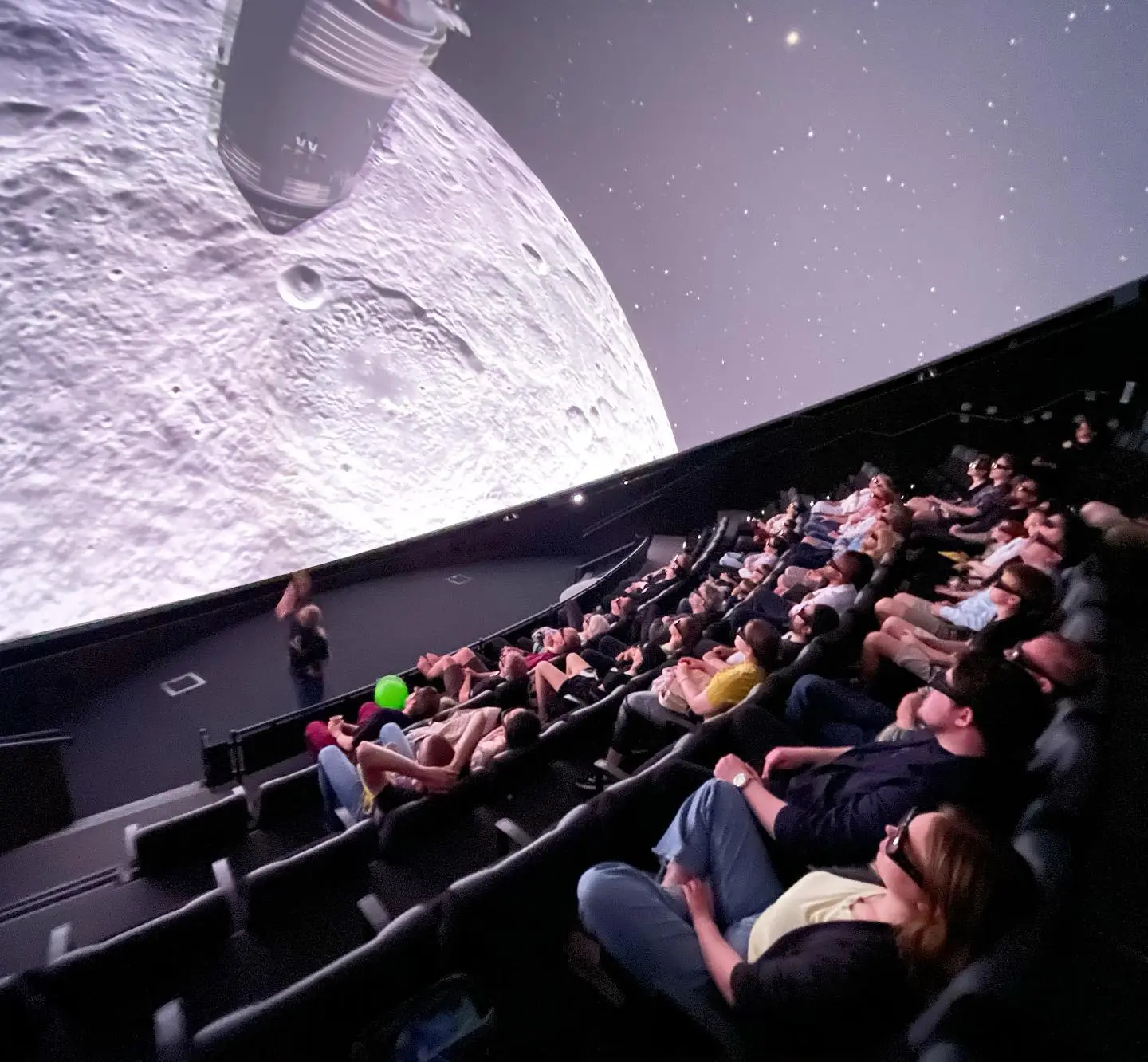
OpenSpace is open-source software for interactive astrovisualization. It renders the universe at scales from spacecraft instruments to galactic structure, using data from NASA, ESA, and scientific institutions around the world. Built for planetarium domes, museum exhibits, classrooms, and any computer that can run modern graphics, OpenSpace lets users navigate continuously from Earth’s surface out to the edge of the observable universe, with the data presented in precise context of the observable universe. The software is free, cross-platform (Windows, Linux), and developed openly on GitHub.
Our mission
OpenSpace exists to make the universe accessible. The vast majority of what humans have learned about space lives in research papers, mission databases, and specialist tools that most people never see. We believe that data this important shouldn’t require a PhD to explore. By giving museums, planetariums, teachers, and citizens the same visualization capabilities that researchers use, OpenSpace turns the universe into something anyone can navigate.
The project also serves the research community itself. Scientists use OpenSpace to communicate findings, explore their data in relation to other relevant datasets, and collaborate across institutions.
How it began
OpenSpace started in 2013 as a collaboration between the American Museum of Natural History (AMNH) in New York, Linköping University (LiU) in Sweden, and the Community Coordinated Modelling Center at NASA Goddard. The founding team wanted to combine the artistic visualization AMNH had developed for the Hayden Planetarium with the scientific visualization and rendering research underway at LiU and the ongoing heliophysics research at Goddard to be able to share what emerged with the rest of the world.
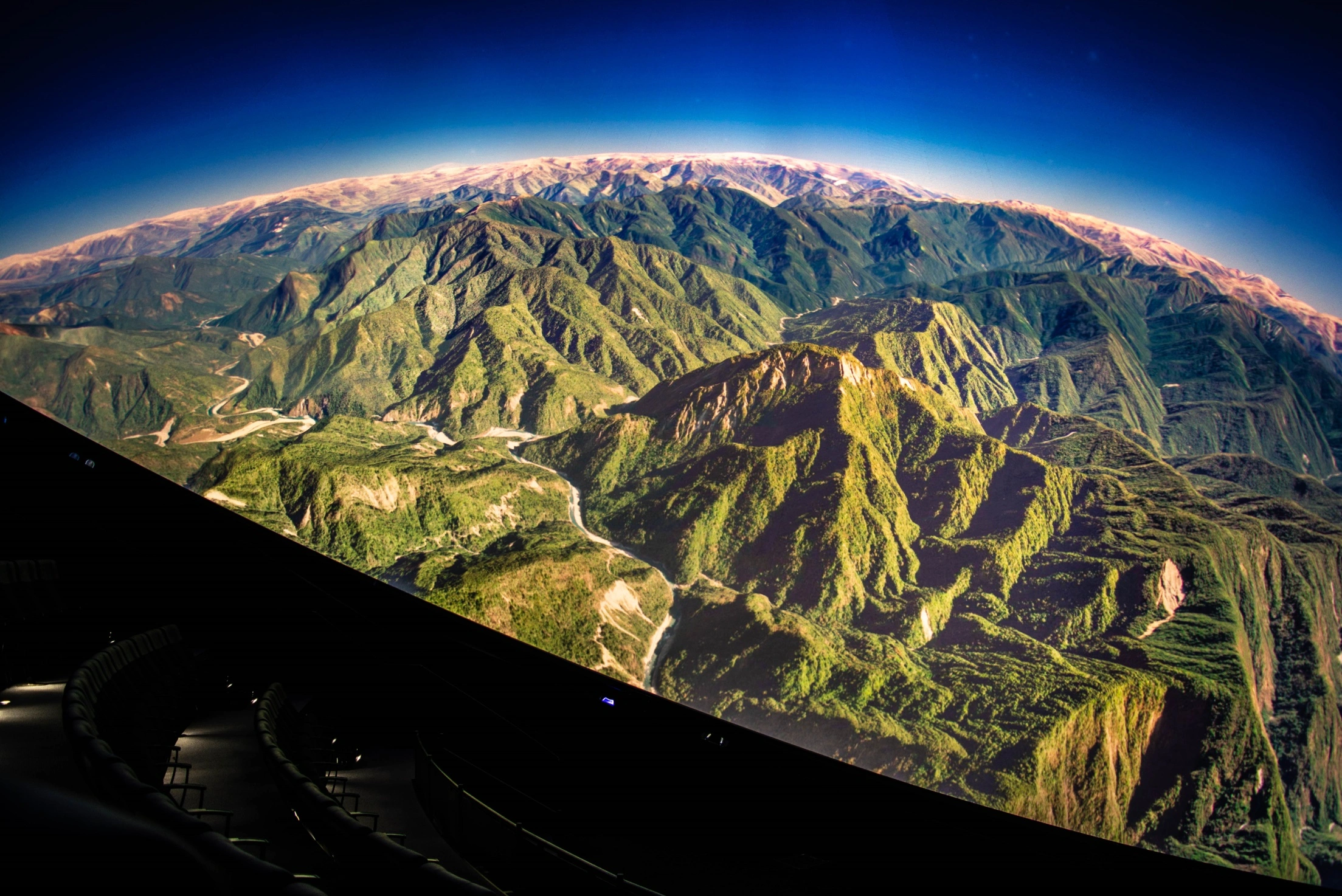
Early work focused on visualizing volumetric heliophysics datasets and mission visualization in dome theaters, with the New Horizons flyby at Pluto in July 2015 being among the first public releases of the software. Later, other missions (watching Rosetta orbit comet 67P), globe browsing, and large-scale astronomical catalogs (millions of stars and galaxies from Gaia and other surveys), and live data feeds followed, including the ability to move seamlessly from a global view of a planet down to surface-level imagery using data collected by spacecraft.
Get involved
From planetarium domes to classrooms to codebases, OpenSpace is shaped by the community that uses it.